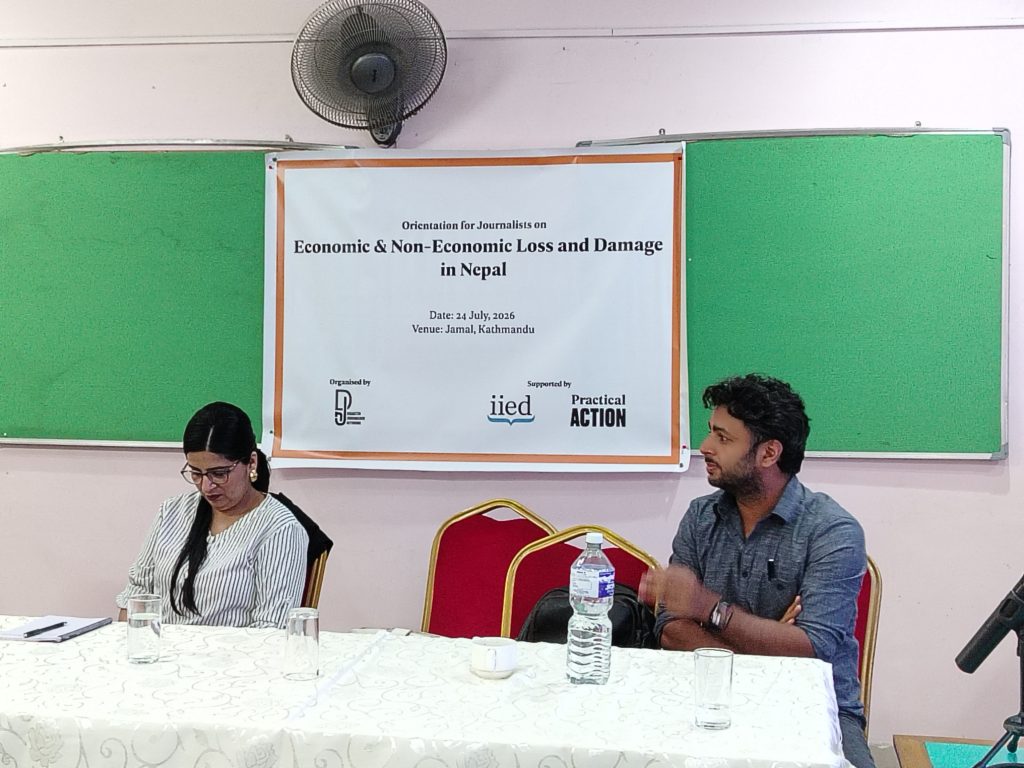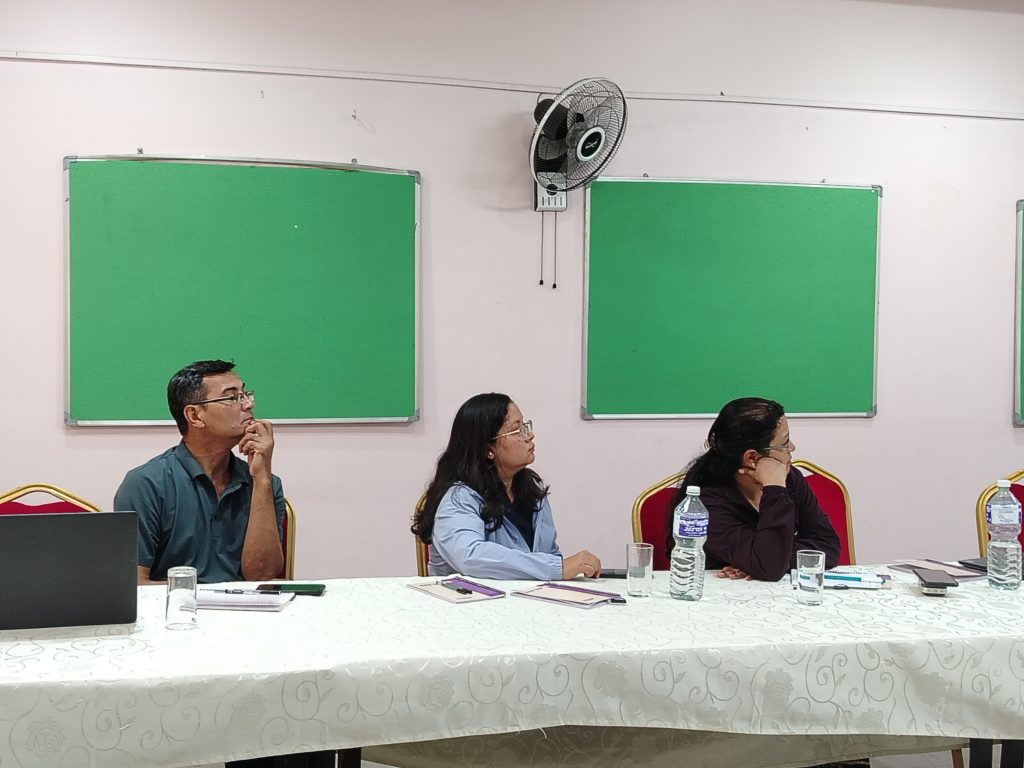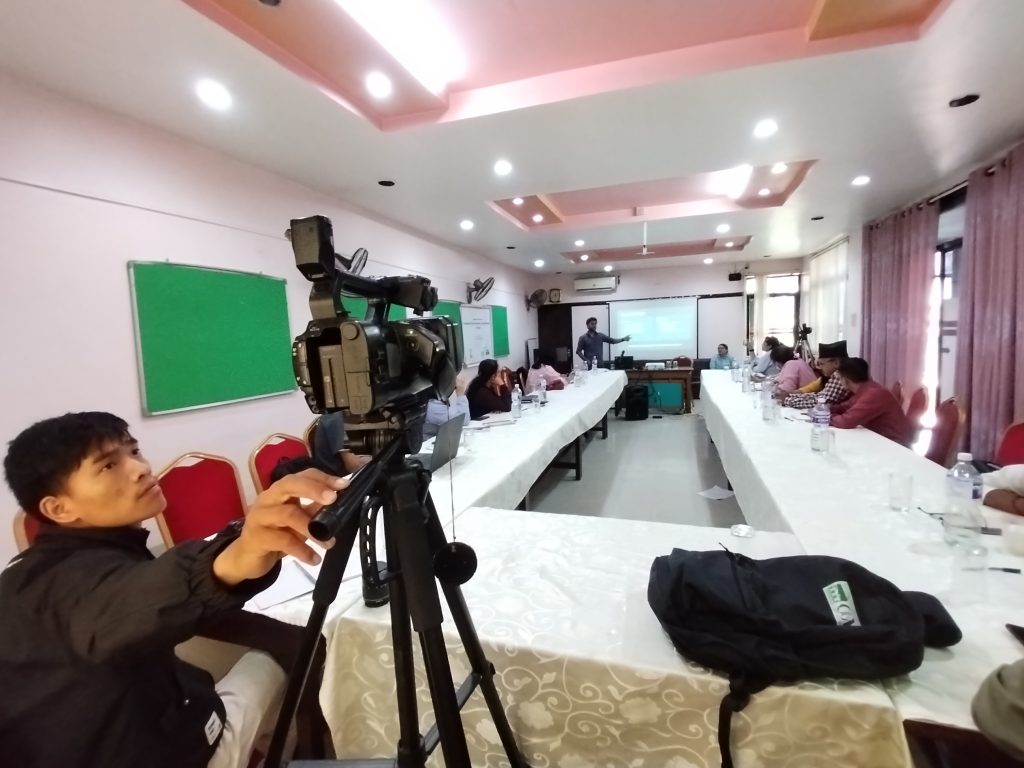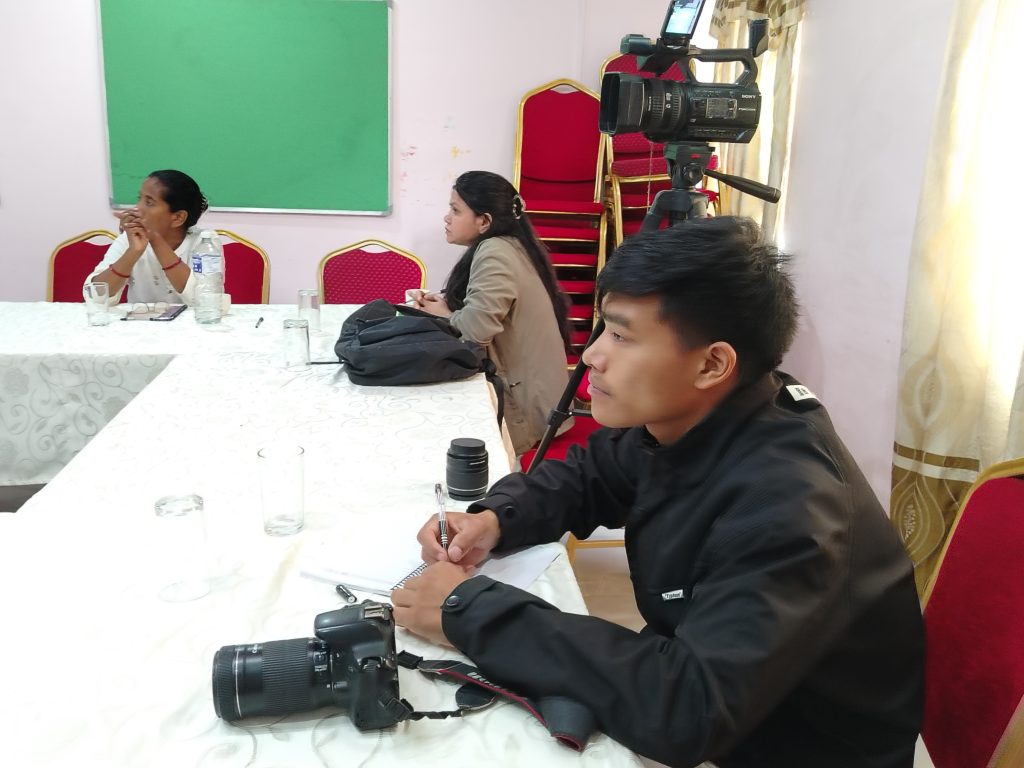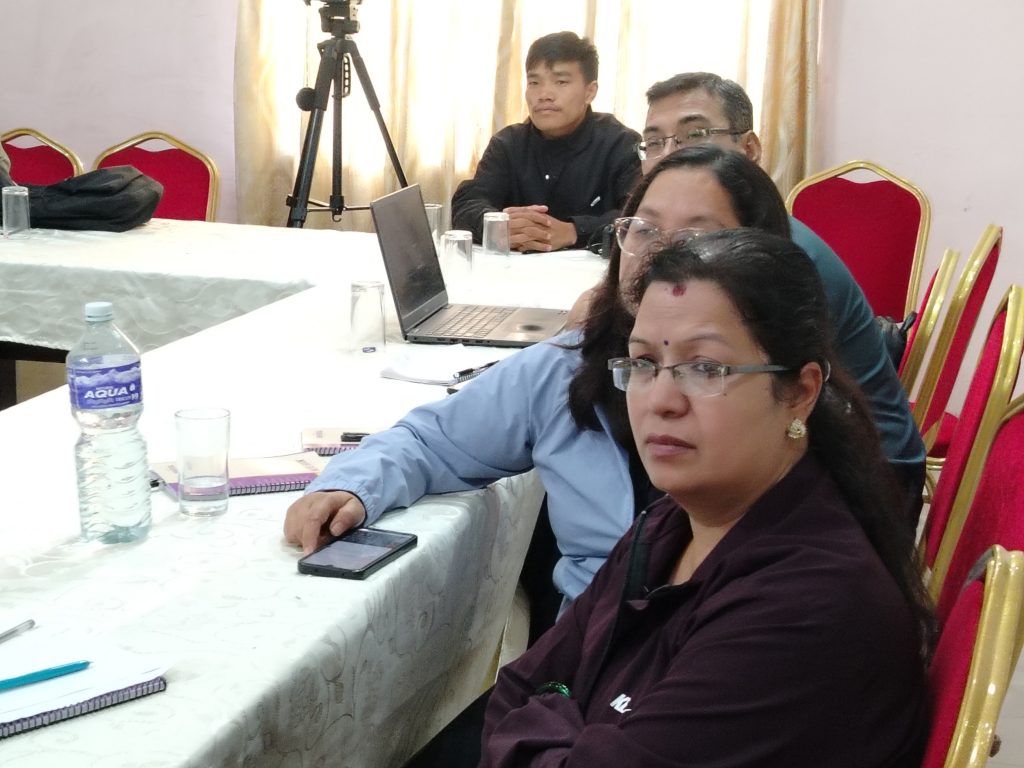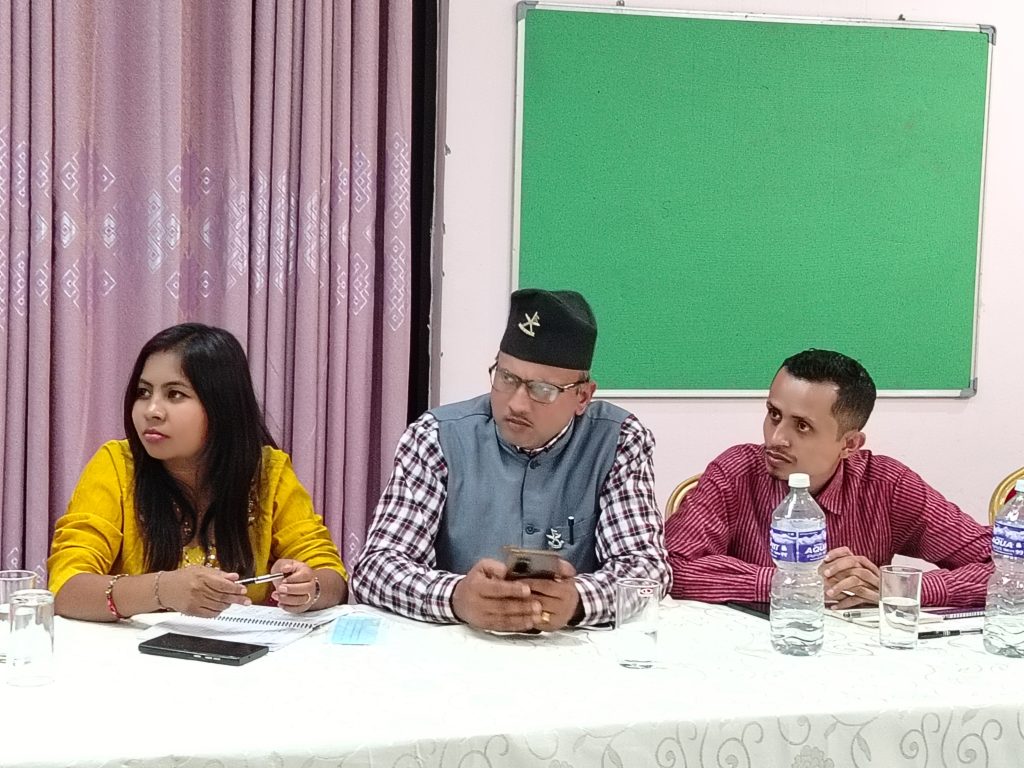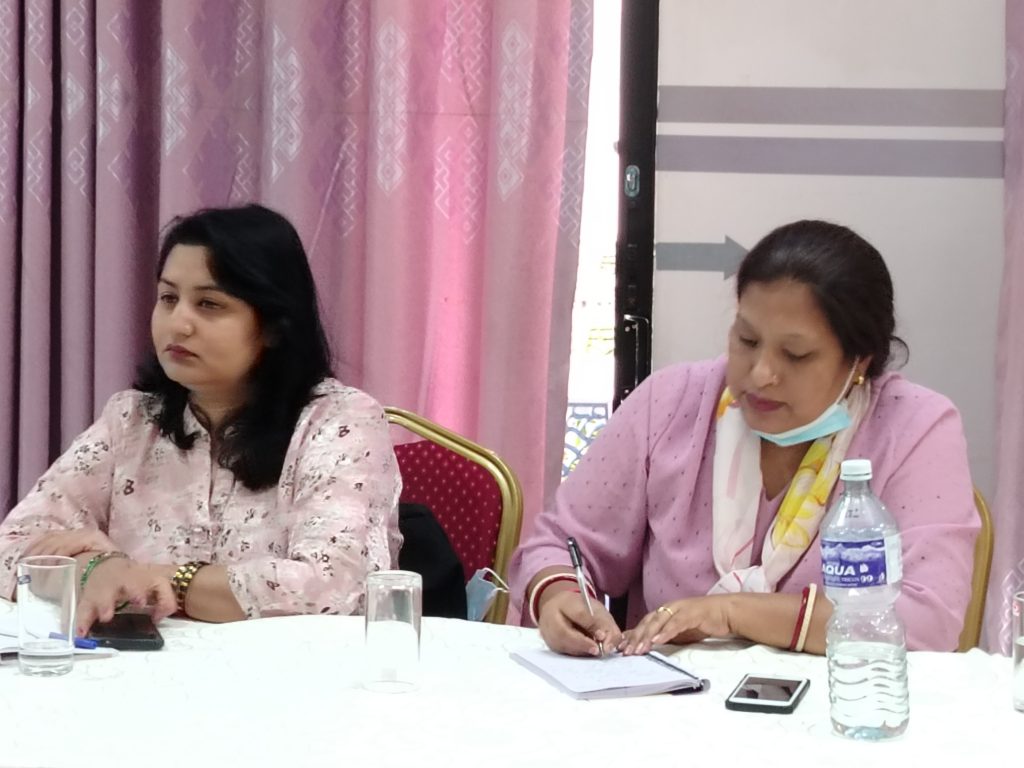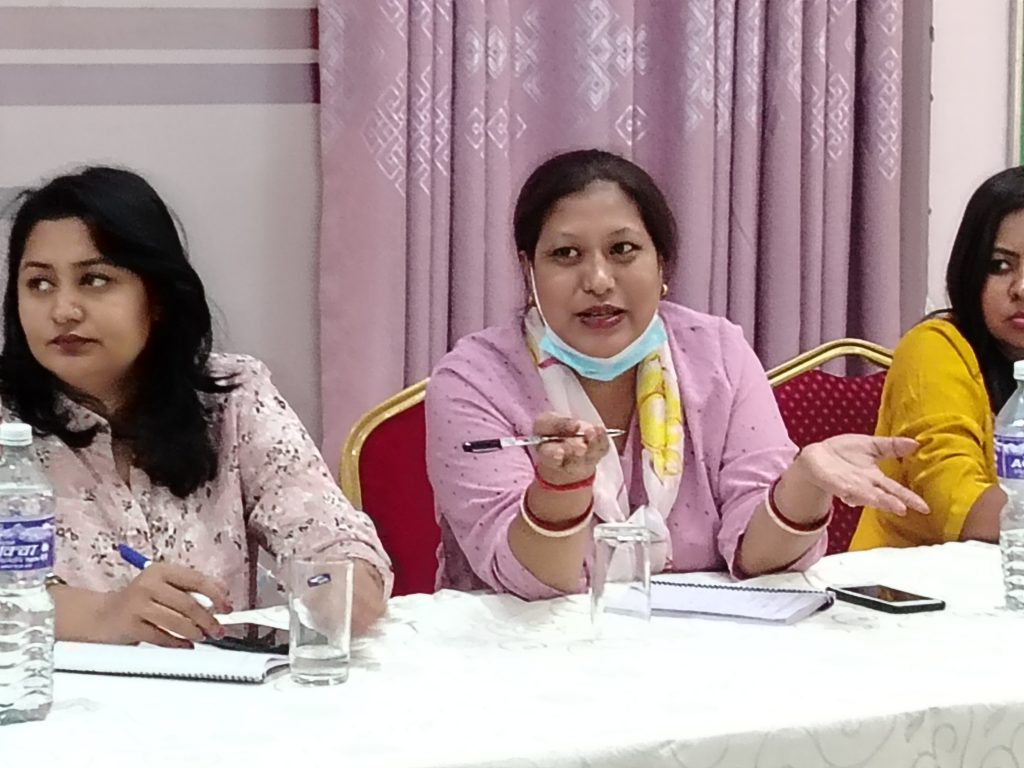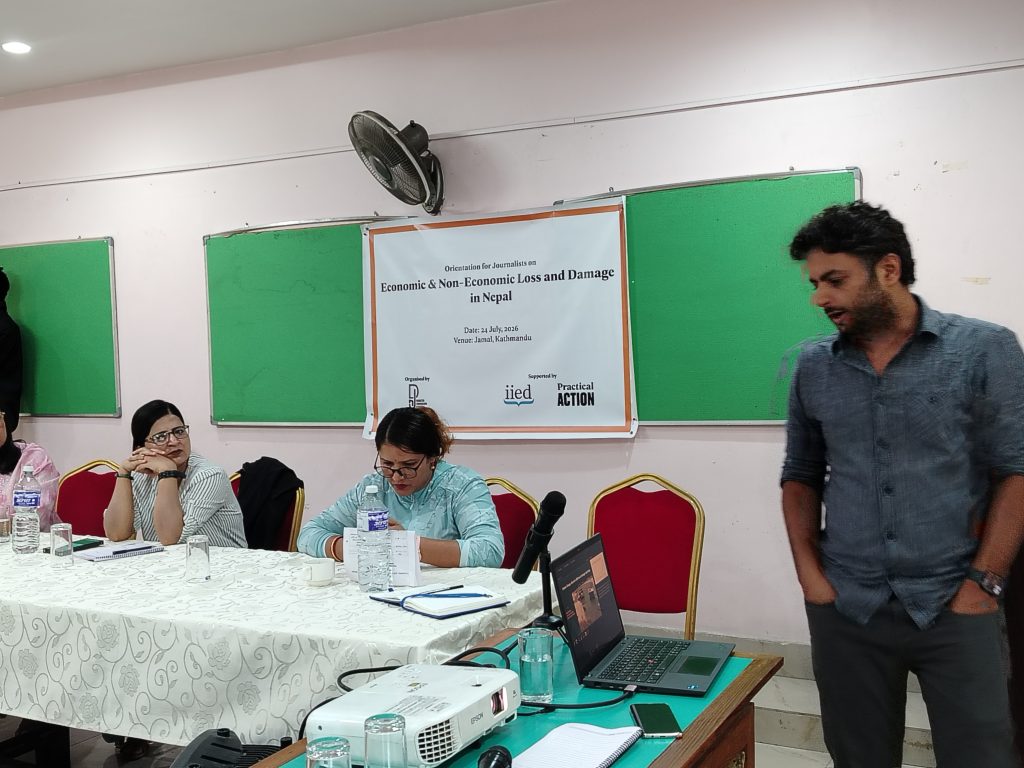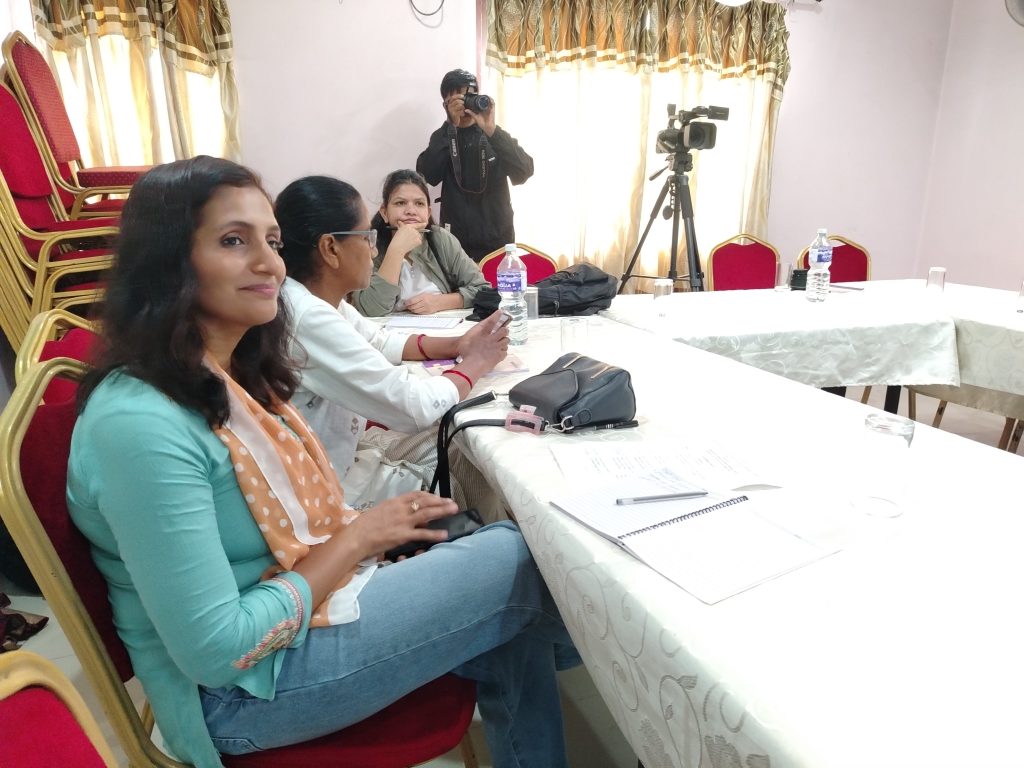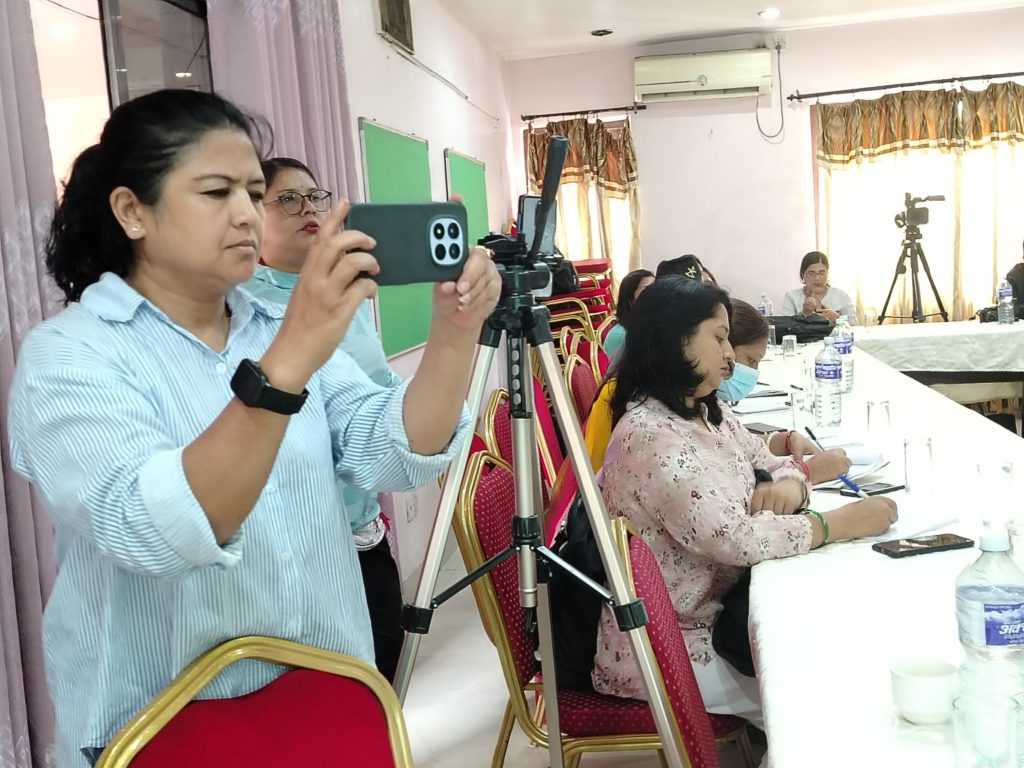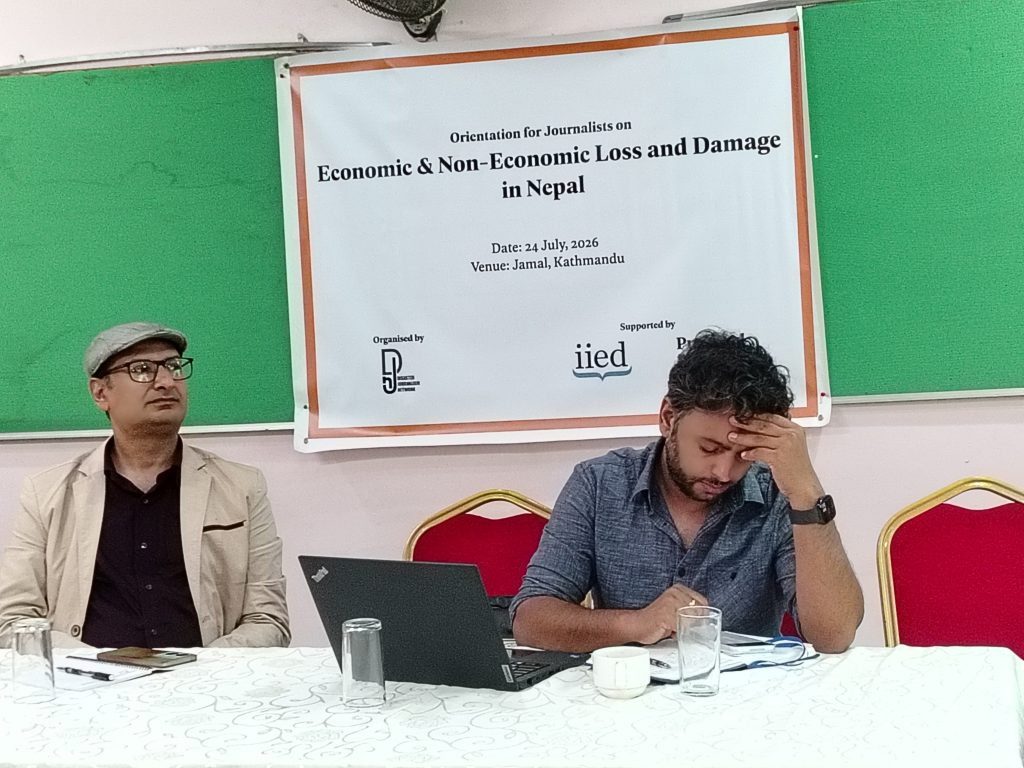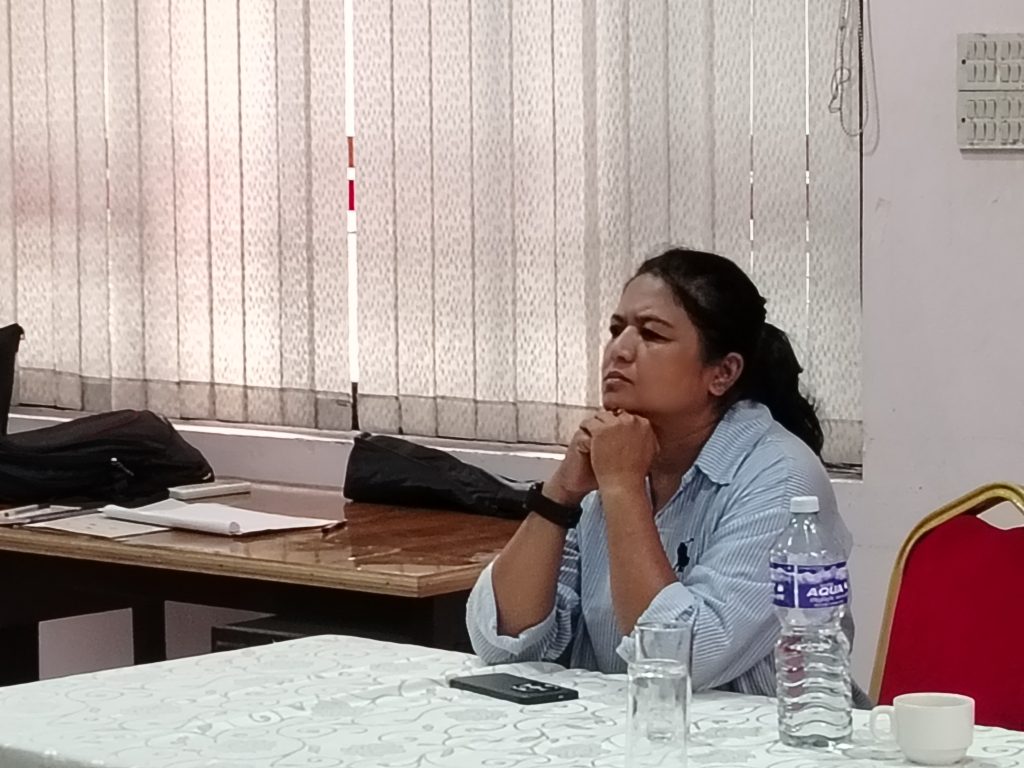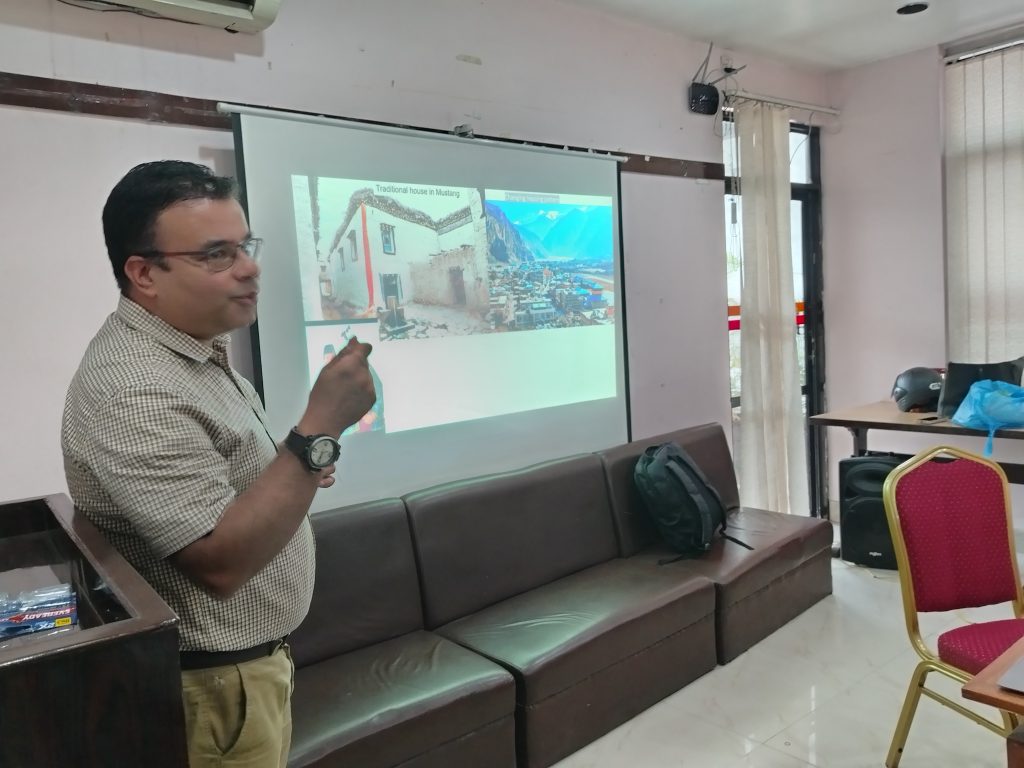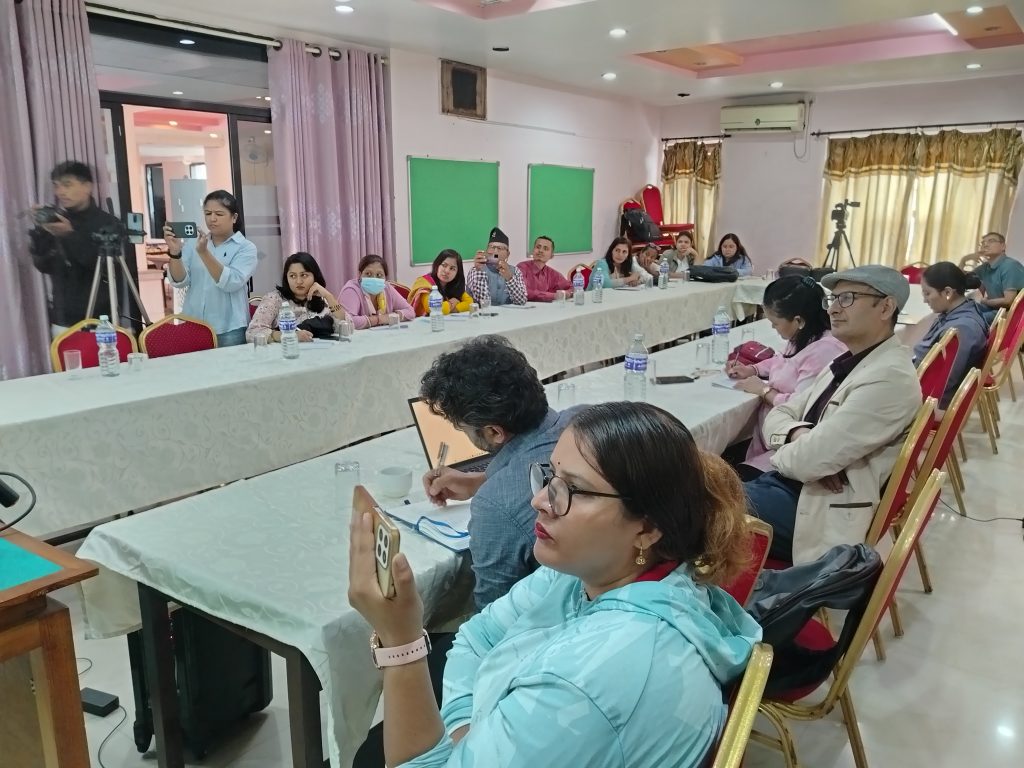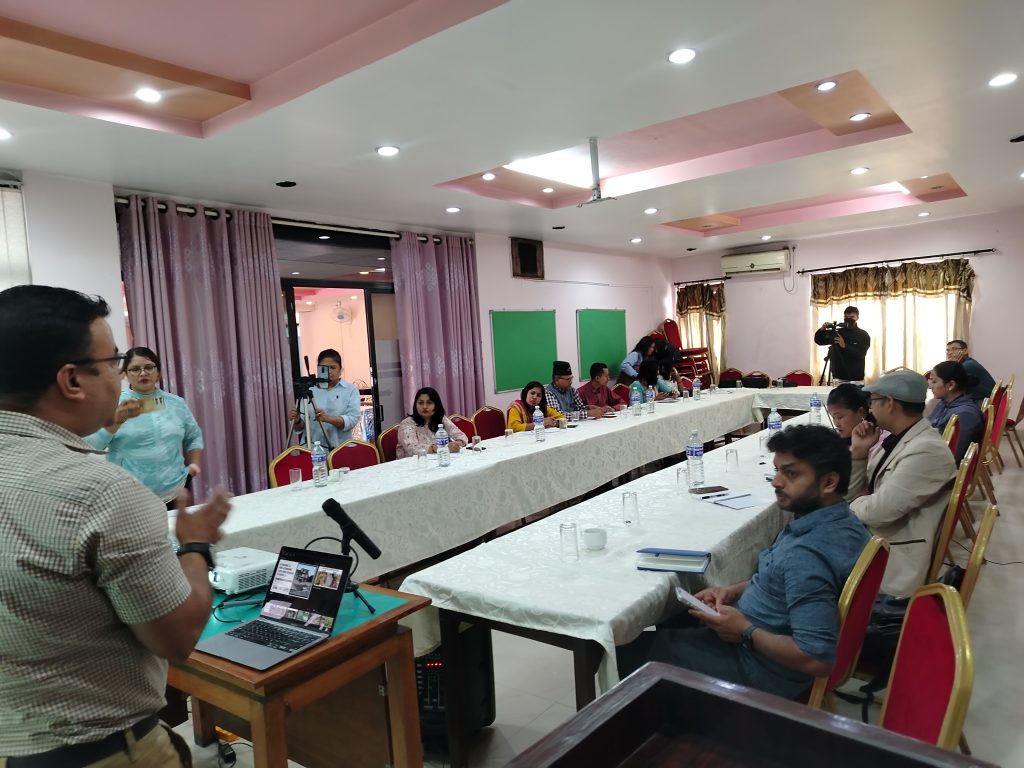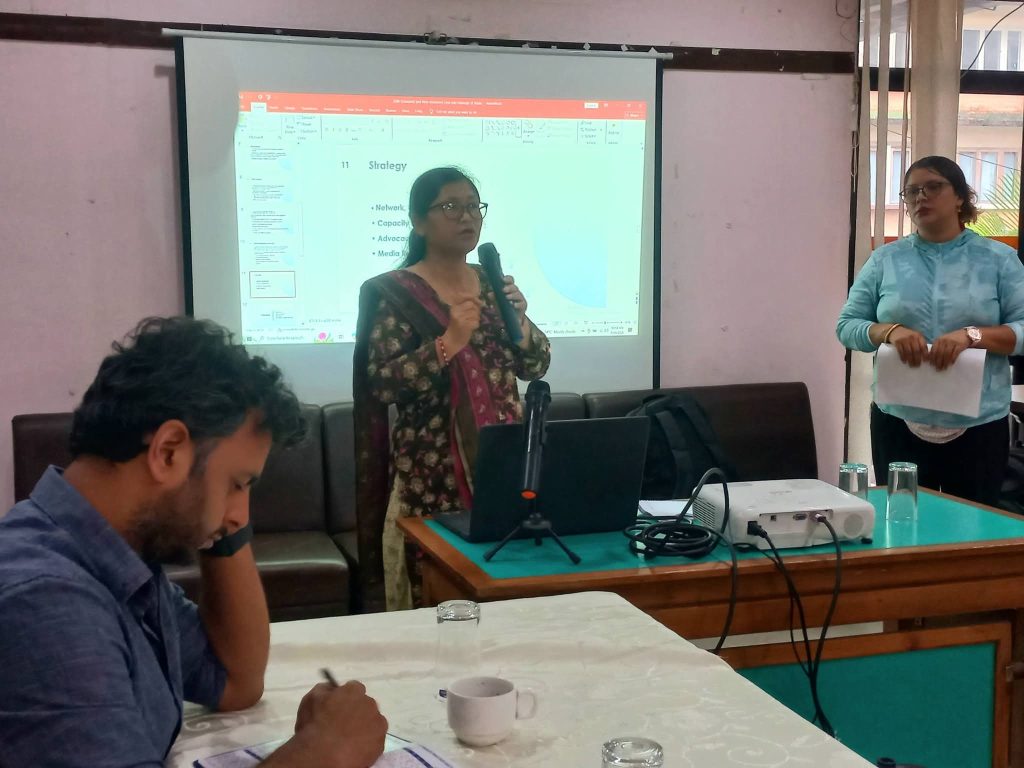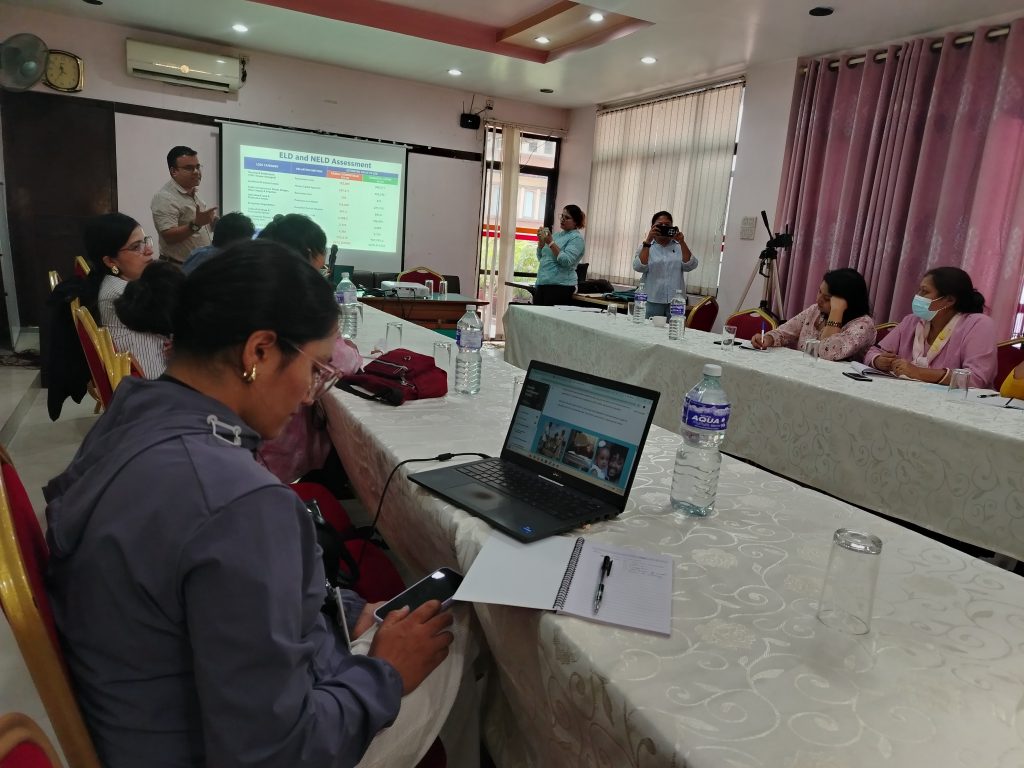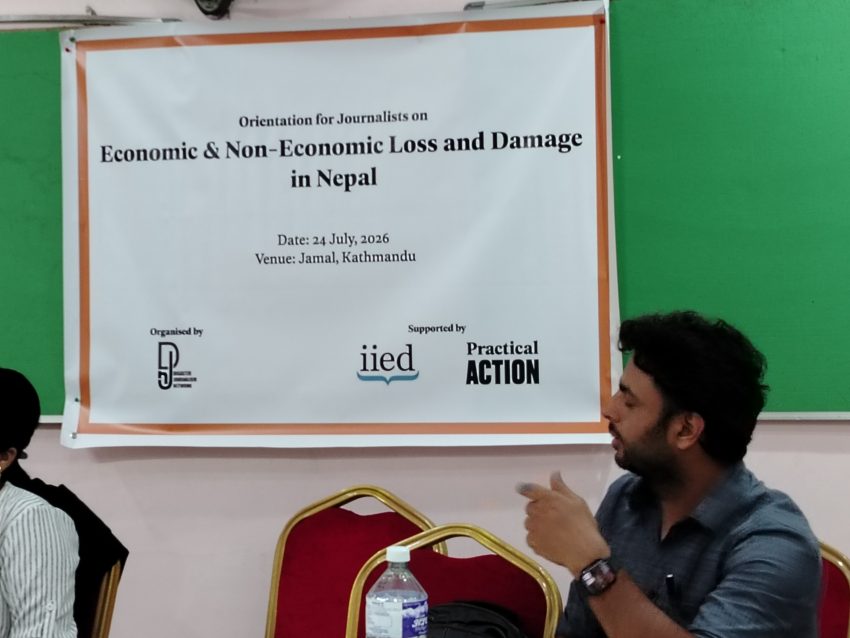
Disaster Journalism Network (DJN), with support from Practical Action Nepal and the International Institute for Environment and Development (IIED), organized a one-day orientation programme for journalists on “Economic & Non-Economic Loss and Damage in Nepal” on 24 July 2026 in Kathmandu. The programme aimed to strengthen journalists’ understanding of climate change-induced loss and damage and promote more informed, evidence-based media reporting on the economic and non-economic impacts of disasters.
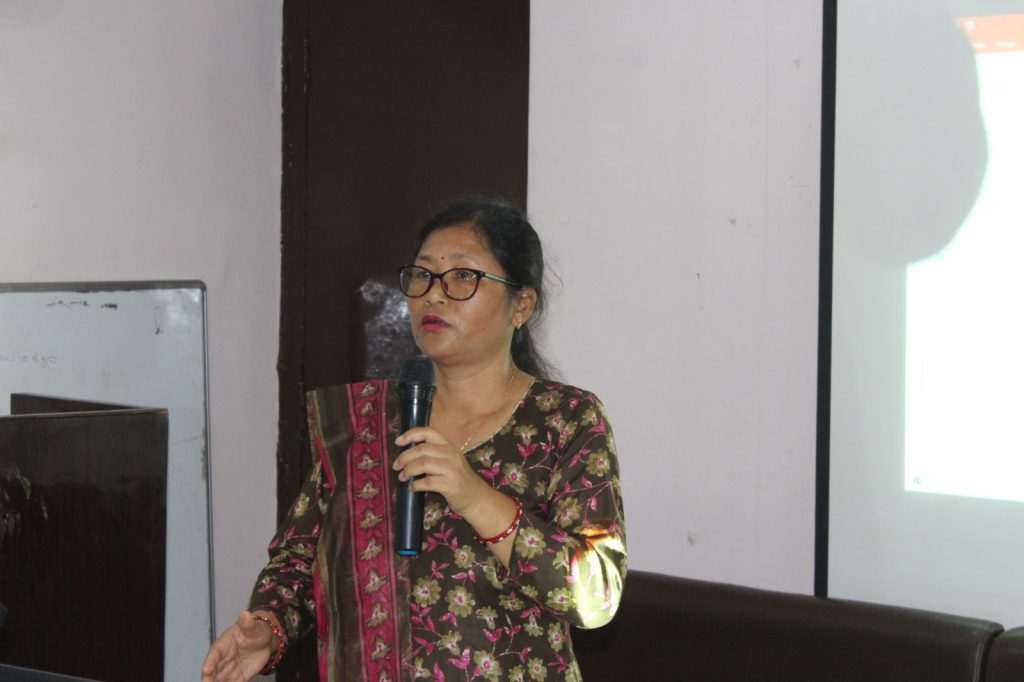
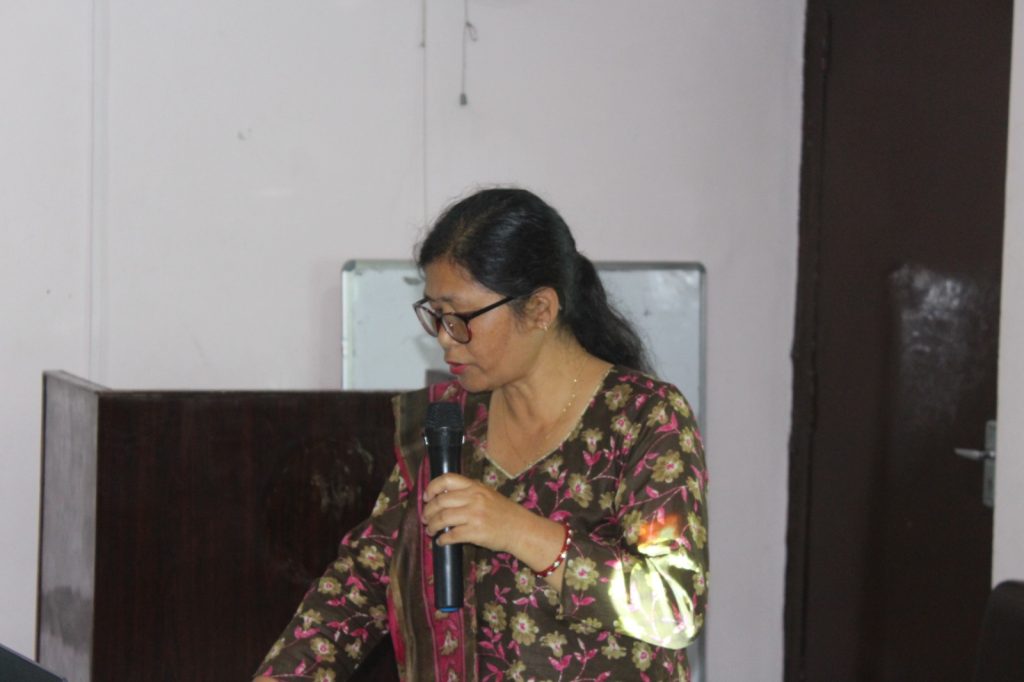
Opening the programme, Ms. Amika Rajthala, President of Disaster Journalism Network (DJN), emphasized that climate change has made disasters more frequent and complex, making it essential for the media to report beyond immediate damage and casualties. She said journalists have a critical responsibility to highlight the long-term impacts of disasters on people’s livelihoods, mental health, culture, education and social well-being. Rajthala stressed that disaster issues should become a regular part of mainstream journalism so that hidden losses experienced by affected communities receive greater public attention and are reflected in policy and decision-making.
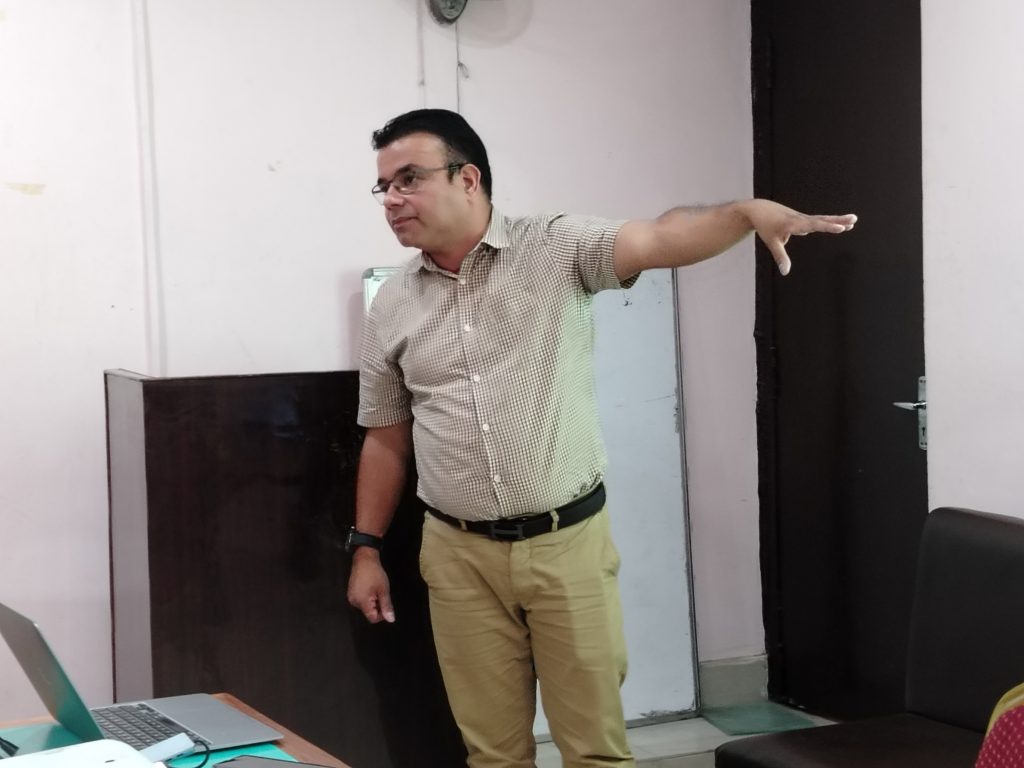
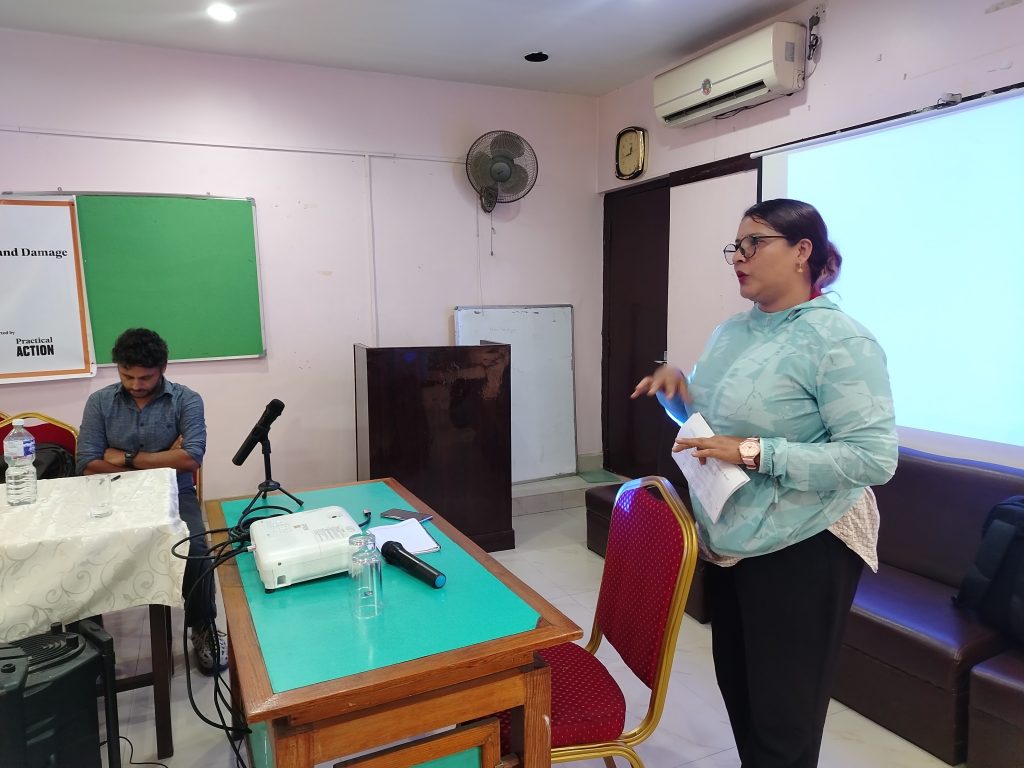
The first technical session was facilitated by Mr. Ujjwal Upadhaya, Loss and Damage Expert at UN-FAO, who explained the concepts of economic and non-economic loss and damage in the context of Nepal. Referring to recent studies from Melamchi, Roshi, Nakkhu and Karnali, he demonstrated how disasters leave lasting psychological, cultural and social impacts that are rarely captured through conventional damage assessments. He also underlined the importance of scientific documentation and systematic data collection to strengthen Nepal’s access to international climate finance, including the Loss and Damage Fund under the UN Framework Convention on Climate Change.
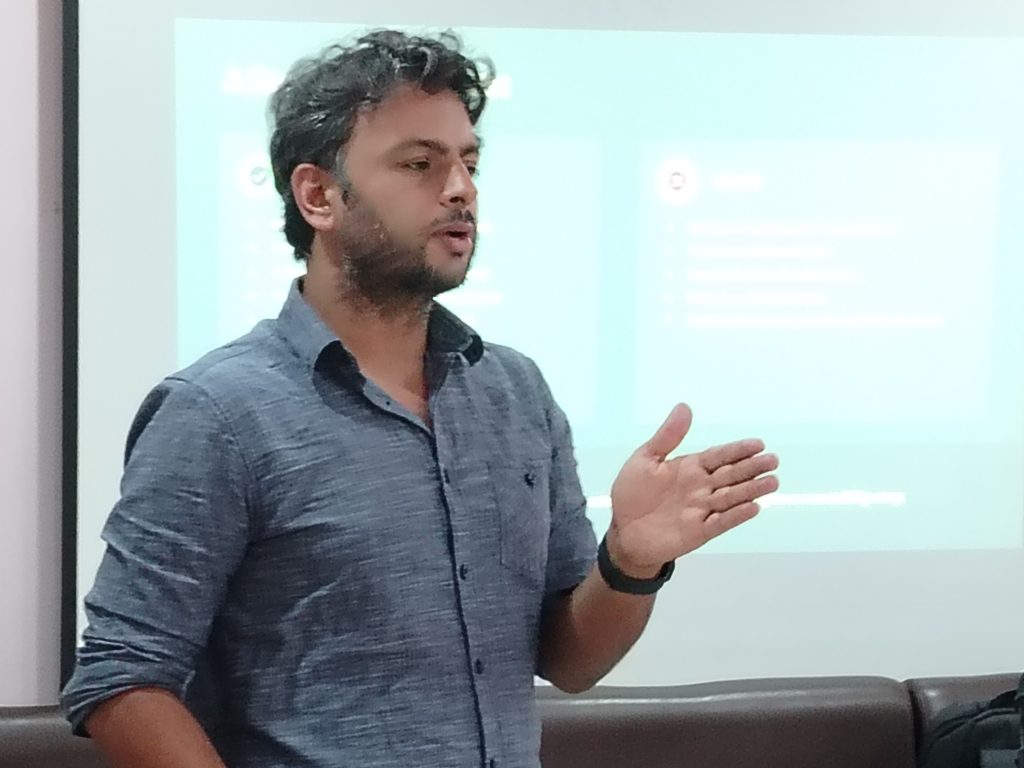
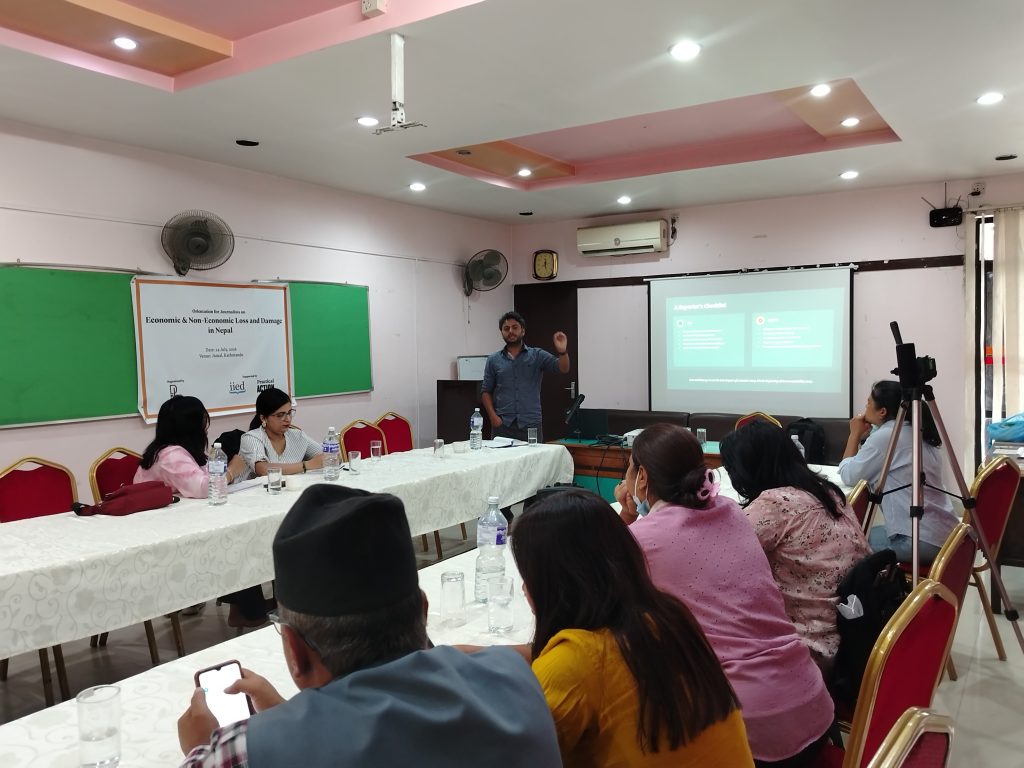
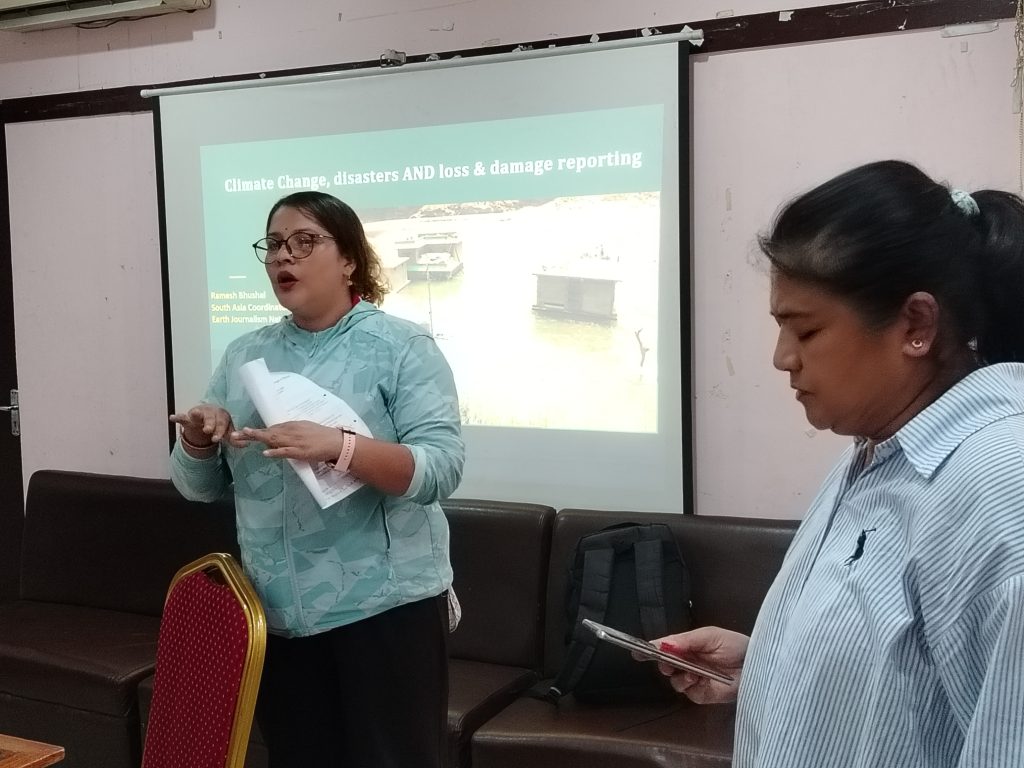
The second session was delivered by Mr. Ramesh Bhushal, South Asia Coordinator of the Earth Journalism Network. He encouraged journalists to move beyond event-based disaster reporting and produce in-depth, human-centred stories that document both visible and invisible losses caused by climate change. He emphasized that quality journalism can play a vital role in amplifying the voices of disaster-affected communities and influencing policies for resilient recovery.
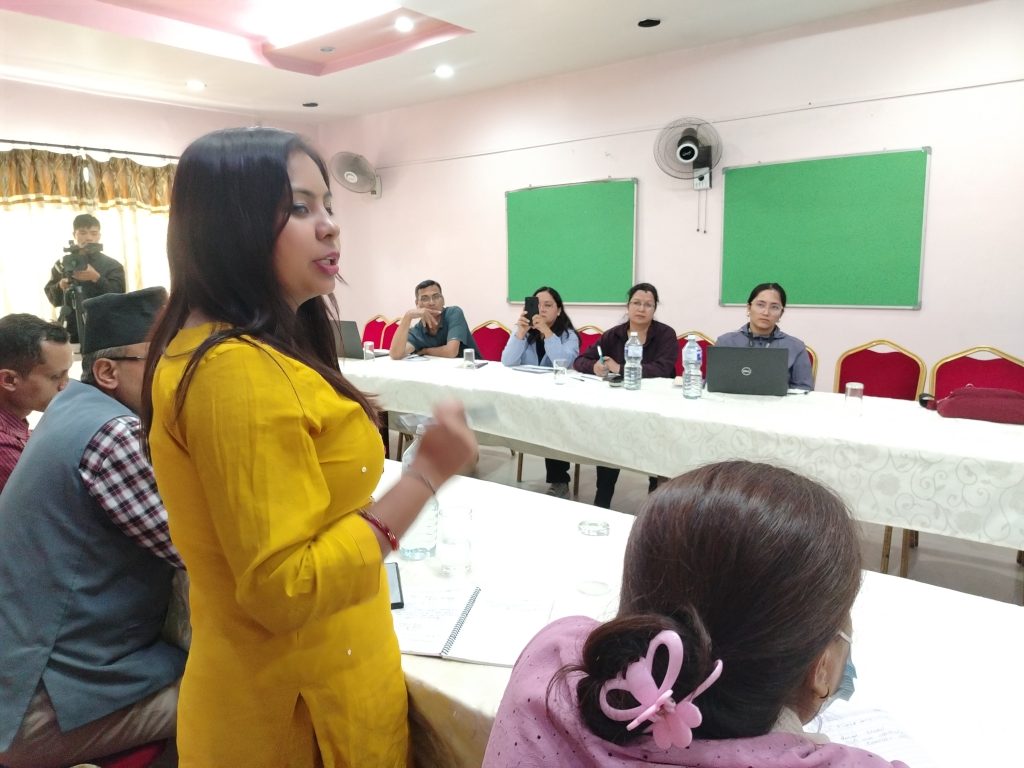
The programme concluded with an interactive discussion in which participants exchanged experiences and explored ways to strengthen climate and disaster reporting in Nepal. A subsequent DJN network meeting discussed future collaboration and capacity-building initiatives for journalists covering climate change, disaster risk reduction and loss and damage. Participants agreed that greater media attention to both economic and non-economic losses would contribute to more inclusive disaster policies and improve public understanding of the long-term impacts of climate change.
More Pictures of the programe: